
Distox v3.0 WiN MAC
Team DECiBEL | 10 Jan 2020 | 25.5MB
…::: AU VST VST3 x86 x64 :::…
Sculpt it!
Colorful distortion box with HPF/LPF and MIX functions!
Viewed 8891 By Music Producers & DJ´s.

Colorful distortion box with HPF/LPF and MIX functions!
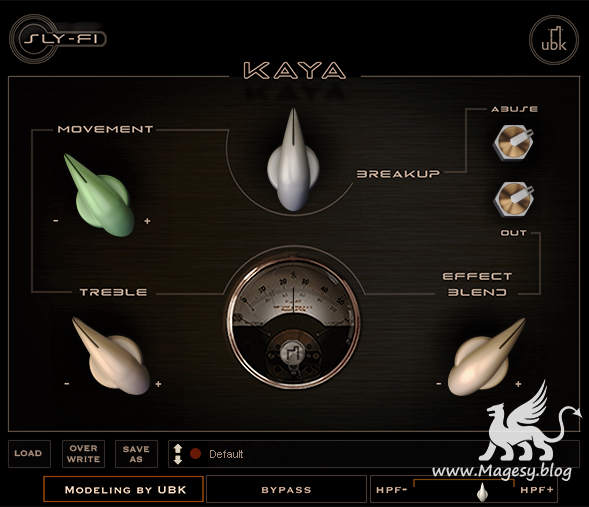
There’s only one Kaya… literally. S. Husky Hoskulds made it by taking an old Ampex tube tape deck and hardwiring the preamp directly to the tape head. He calls his unit ‘Pa’, a minimal box with swampy distortion and a very heavy bottom. I started with Pa’s dirt, then added controls to make it more flexible. An assymetric Treble control can rebalance the sound towards the top, or tilt it down into murky darkness. An Abuse knob does exactly what you’d expect it to do. Blend allows you to tuck in the overall effect for subtler applications. What I love about Kaya is it never harshes out, it’s always warm even when it’s gone nuclear. A one-trick pony, but what a trick it is.
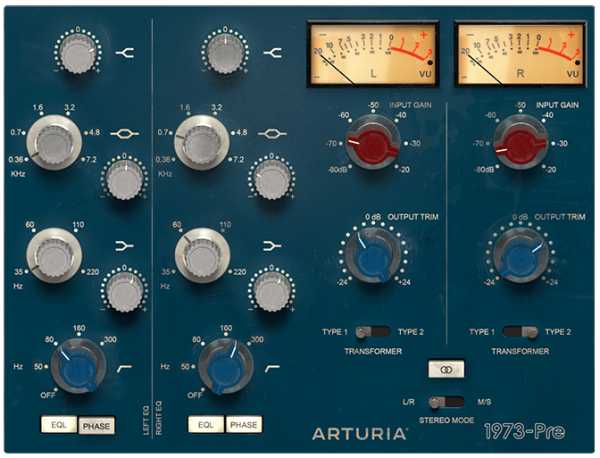
The subtle nuance and tonal flavor added by a vintage preamp can have an amazing overall effect on the music you create. For years, top producers have coveted the sound of the venerable 1073 preamp. Now – through the power of Arturia’s advanced TAE modelling – you too can have a taste of that harmonically rich, classic tone in your DAW. Devised by visionary electronics engineer and pro audio legend Rupert Neve, the preamp became a staple of the world’s top studios, and added its unique tonal flavor to countless hits. It was a revolution in 1970, pioneering the use of reliable high-efficiency transistors to replace the temperamental vacuum tube technology of the time. The sound of the preamp became an instant hit with record producers, sound engineers, and artists the world over, cementing its place in music history.
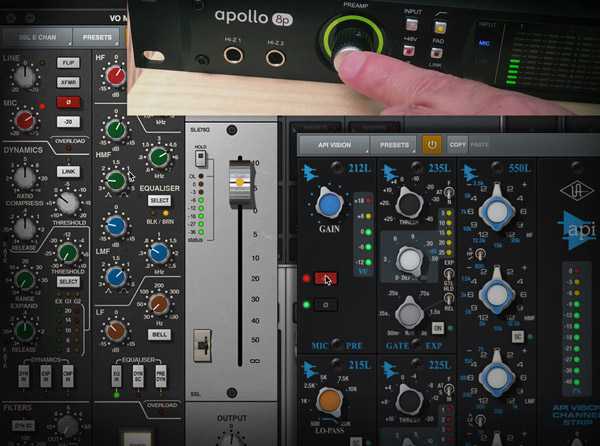
Studio pro reveals the technology and magic behind Universal Audio’s Unison Preamp technology and plug-ins! Learn all about the different Unison Enabled Plug-Ins and best practices for using them in your tracks and productions. Eli starts at the beginning, explaining how Unison Enabled Plug-Ins work, and how to use Gain Stage Mode from your Apollo hardware to change their sonic response. Next, Eli covers all the Unison Enabled Plug-Ins one by one, so you know exactly what they add to your sound, as well as how to dial them in for different coloring and tone. See the individual tutorial descriptions for more info. If you have or want to use Universal Audio Unison Enabled Plug-Ins, check this video tutorial series out. You’ll know exactly how to get the most out of them when using them in your tracks and mixes, making the process faster and more creative. Watch “UA Unison Preamps & Channel Strips Explained®” today!
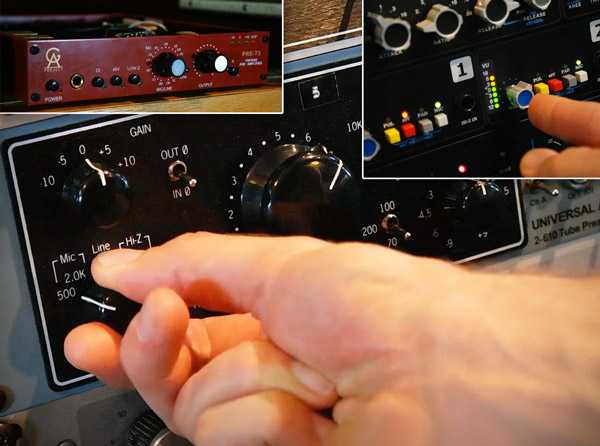
New to recording with Microphone Preamps? Not sure of the differences between a $100 preamp and a $1000 preamp? Well pull up a seat and hang out with Scottie Dugan and Brian Zieske, as they show you everything you need to know to get started with using microphone preamps! This series is designed for those who never used a microphone preamp before, and want to know about all the common features and controls found on mic pres, as well as how to set them up. It also touches on how the components and circuit design varies between units, and gives some sonic examples between an inexpensive “all-in-one” mic pre / audio interface and more expensive stand alone mic pres. It’s not a mic-pre “shoot out” however, and we chose the MOTU because there are so many out in the field, and the others because they are studio staples.