Viewed 5553 By Music Producers & DJ´s.
Tags:



Reviews: Juno 60 soft synth • Warm Audio WA-87 R2 mic • Korg SQ-64 sequencer • Shure MV7 mic • Rupert Neve Designs 5254 compressor • Melodium 42Bn mic • OS Acoustics DBS8 monitors • M-Audio Oxygen Pro 49 controller • Leapwing Audio Al Schmitt • Embody Immerse Virtual Studio • TK Audio T-Komp • Golden Gear: AKG D19 mic • Toontrack Gospel EZX & EBX • miniDSP SHD Power amplifier • Waves CLA Epic & Vocal Bender plug-ins • PreSonus Analog Effects Collection • VSL Synchron Strings Pro & Synchron Percussion libraries • UJAM Virtual Drummer DEEP • Cinematic Studio Woodwinds library — and tons more!

Bass Player is the world’s most comprehensive, trusted and insightful bass publication for passionate bassists and active musicians of all ages. Each issue delivers the latest tips and techniques that are guaranteed to make you a better player.
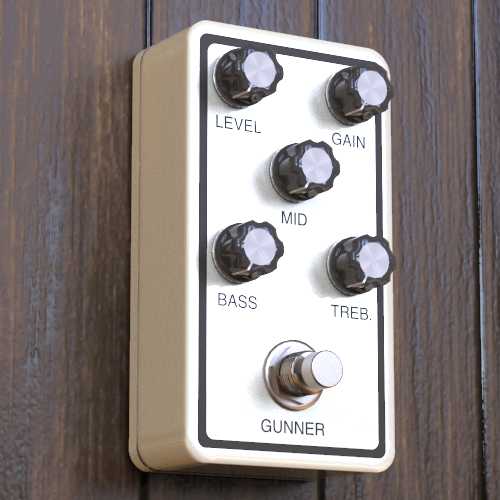
If you want to be able to dial in that special M-Type amp sound without actually purchasing an amp, check out the GUNNER overdrive pedal. Created in the late 80s to replicate the drive tones of M-Type famous amps. Allows you to control the gain, level, EQ.
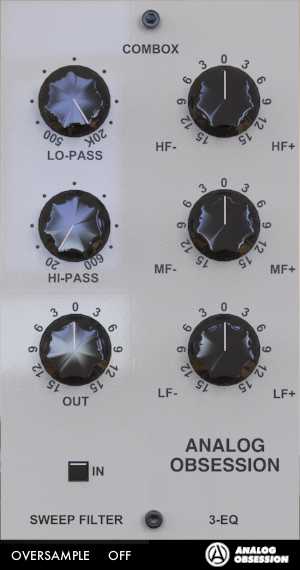
Two in one unit with filters and eq. Pure solid and discrete emulation of famous units!
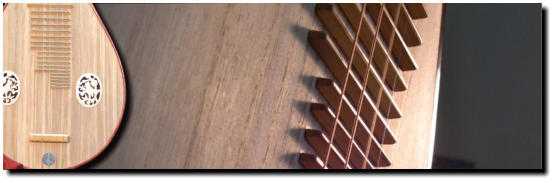
PiPa: The Never-Stopping Chattering. Pipa (Chinese Lute) has its origin dated back to the Qin Dynasty (221-206 BC). As Pipa evolved, it was heavily influenced by Persian culture during the Tang Dynasty (618 – 907 AD) when the two great civilizations crossed over with each other, and became one of the most popular instruments in China ever since then As Pipa prospered in the most powerful Chinese dynasty, it left tremendous markings in the Chinese literature and culture. Pipa is most well-known for its rapid, successive playing style. A famous quote from a Chinese poem has it nailed: “[sounds like] the pearls, large and small, on a jade plate fall”.
Total Posts: ❨ 🎵➡1916 ❩ | Paged: ➡ 63