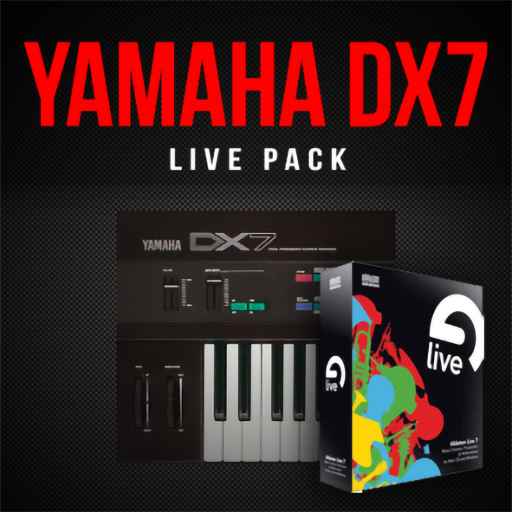
Yamaha DX7 Sound Pack For ABLETON
Team SYNTHiC4TE | March 02 2014 | 146 MB
A total of 56 Instrument Racks built out of 18 different presets. The sound of the Yamaha DX7 inside Ableton Live!
Viewed 23227 By Music Producers & DJ´s.
Tags:


A total of 56 Instrument Racks built out of 18 different presets. The sound of the Yamaha DX7 inside Ableton Live!
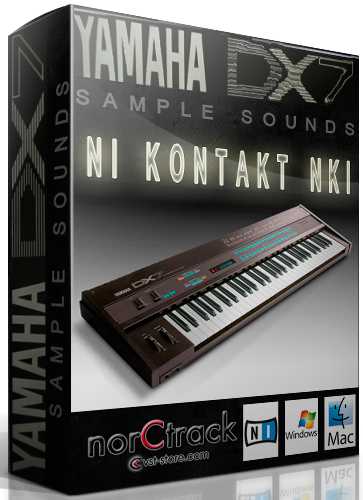
One of the most popular digital synths ever was the DX7 from Yamaha, released in 1983. It featured a whole new type of synthesis called FM (Frequency Modulation). It certainly is not analog and it is difficult to program but can result in some excellent sounds! It is difficult because it is non-analog and thus, a whole new set of parameters are available for tweaking, many of which seemed counter-intuitive and unfamiliar. And programming had to be accomplished via membrane buttons, one data slider and a small LCD screen.
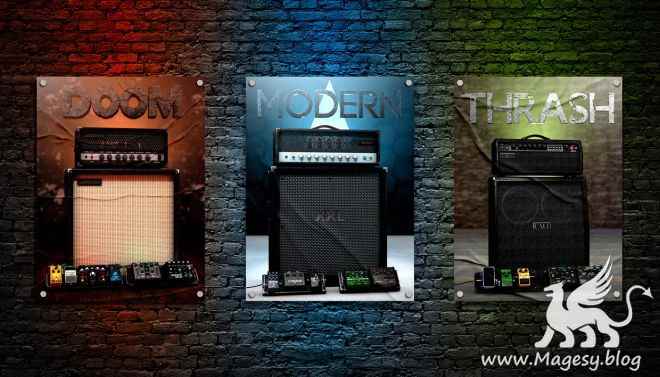
The Metallurgy™ Collection of amplifier and effects plugins was created specifically for guitarists who wish to quickly and easily access contemporary versions of classic and modern metal tones—as well as craft original tones of their own. The collection bundles the Modern, Thrash, and Doom plugins, which are also available individually.
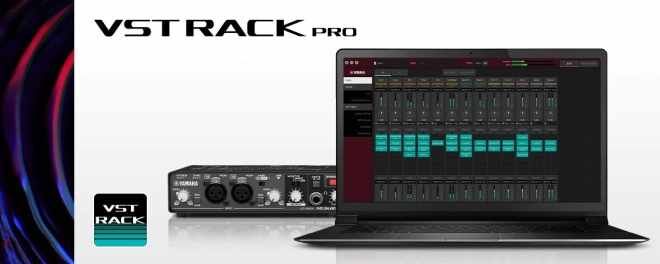
The VST Rack Pro software included with the RUio16-D is plug-in host software that uses VST plug-ins, letting you create the exact effect rack you want. This software is available for both Mac and Windows computers, and gives you the ability to build your own plug-in environment with both freedom and flexibility. By adding the RUio16-D with its compact form factor to the VST Rack Pro that brings so much freedom to your touring system, you’ll be able to offer the sounds you always use from the plug-ins you’re accustomed to using, even in environments that differ from the ones in which you typically perform.
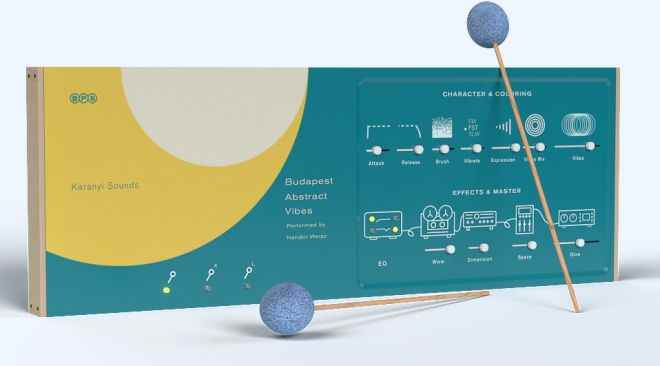
Yamaha Concert Vibraphone sampled in a dry studio environment in Budapest + Traditional techniques (4 different hit & tremolo instruments played with soft and hard sticks, string bow, and brush + 3 velocity layers from piano to forte + 5 octaves / instruments + 18 GUI controls including tremolo control + Recorded with 2 x AT35 (Mid Mix) + Shure SM57 (Close Mix) on Universal Audio Apollo X + All GUI elements are MIDI learnable
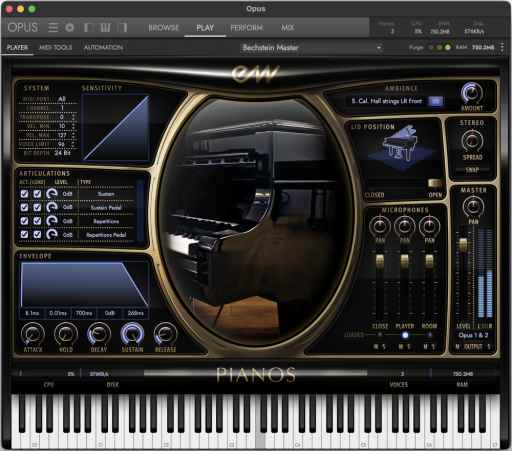
YAMAHA C7 With a beautiful mid-range and a light twinkle in the high end, the Yamaha C7 is an excellent choice for blues and folksy music, especially old American classics. It offers a unique blend of smoothness and character that practically beg you to throw in a few jazzy ornaments here and there. While perfectly suitable for orchestral writing, this piano shines in genres like stride and ragtime.
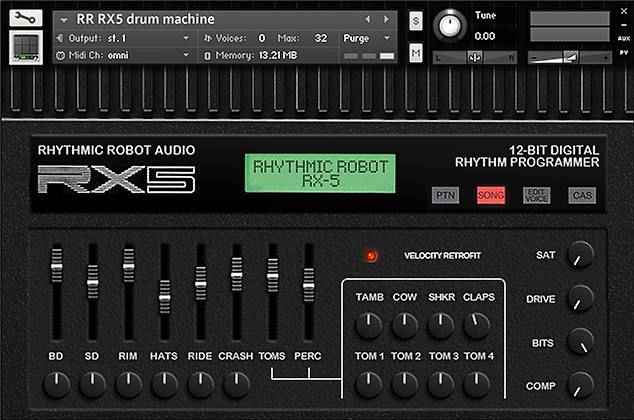
Welcome to the 80s! In 1986, the RX5 was the jewel in the crown of Yamaha’s lineup of digital drum machines. It featured a seriously impressive feature set, comprising 24 onboard sounds spread across two kits – one acoustic, one electronic – plus detailed programmability, sample reverse, expansion via cartridge, and individual outputs for most of the kit pieces. It was a serious, powerful bit of kit with a thick and punchy sound (courtesy of those 12-bit samples) and some nice attention to detail: the sounds could be tailored with basic envelopes, and there were two Accent levels available to allow more humanised programming. The samples were longer and more detailed than on more basic machines of the era – quality issues that set it apart from units like the Casio RZ1 (with its quarter-second samples). The RX5 made its mark on some classic tracks, like Prince’s Sign o the Times, Madonna’s La Isla Bonita, Cameo’s Word Up and a whole load of songs by the Pet Shop Boys. If the 80s is your thing, the RX5 is a bit of an essential. In many ways this was Yamaha’s defining accompaniment to the DX7 synth, with the same style of D-to-A conversion and a similarly unmistakable 80s tone. While the sounds were samples, they were far from naturalistic, tending more towards the über-punchy ‘turn it up to eleven’ sound that defined a pop generation.
Total Posts: ❨ 🎵➡91 ❩ | Paged: ➡ 7