Berlin Electro House Vol.1 KONTAKT
P2P | 09.07.2016 | 755.42 MB
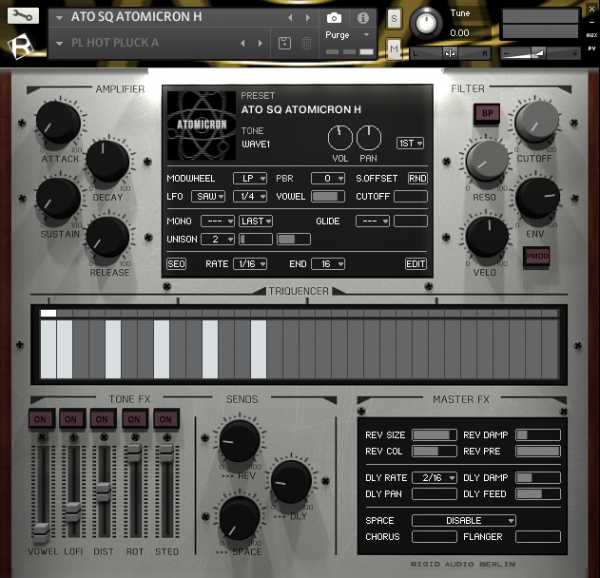
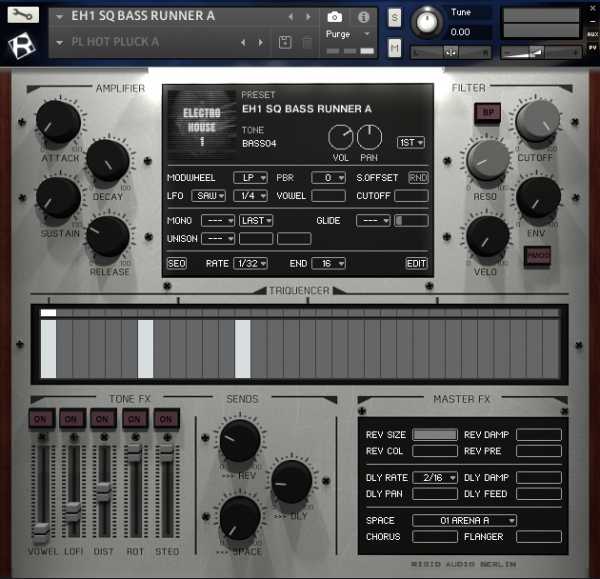
ELECTRO HOUSE VOL.1 delivers 87 ready-to-rock instruments for all kinds of electronic house music, dance and the like.
Viewed 4321 By Music Producers & DJ´s.


ELECTRO HOUSE VOL.1 delivers 87 ready-to-rock instruments for all kinds of electronic house music, dance and the like.
75 RAW AND GRITTY SYNTHESIZER INSTRUMENTS
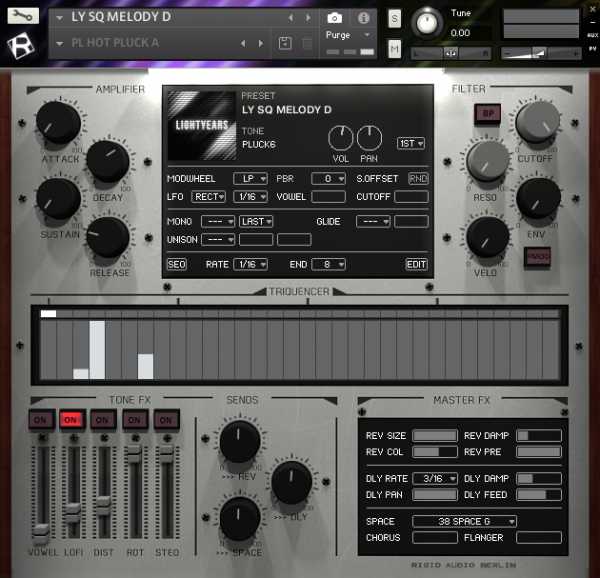
LIGHTYEARS is your perfect trance companion. It comes with 65 instruments, suitable for all kinds of electronic music like trance, progressive trance, goa and the like.
PADSTATION 2 is a dual layer ROMpler with 2 x 400 outstanding and perfectly looped cinematic pad sounds. It features 400 hybrid synthesizer pads like strings, choirs, textures and sweeps. It includes also all instruments from PADSTATION 1 as well! You can blend two different pad presets seamlessly from within one NKI instrument. (All WAV files are stored in a single KONTAKT instrument). Each part features a convolution reverb with 60 impressive and nothing but “spacey” impulse responses, taken from Rigid Audio´s “SYNFERNO”.
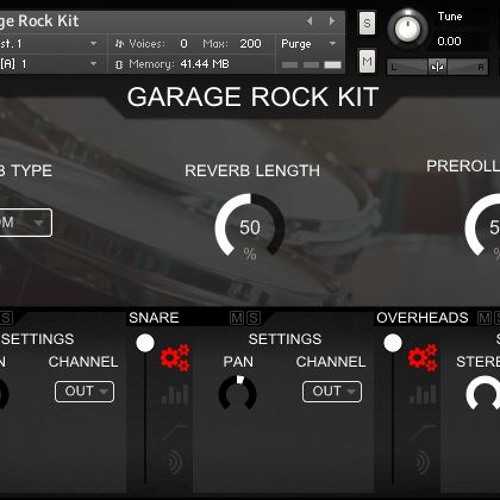
The drums have tons of rattle and buzz, and lots of character. We made sure to include an adjustable amount of preroll in the samples–that way you can capture the sound of the beater moving before it hits the kick drum, the squeak of the hihat while it closes, and the overall sound of the sticks moving through the air. All these subtle elements multiply to add extra believability to the instrument.
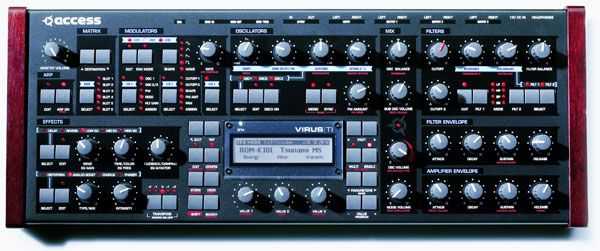
The Access Virus is a virtual analog synthesizer made by the German company Access Music GmbH. It was first produced in 1997 and has since been upgraded frequently, with the company releasing new models about every two years. Early models include the Virus A, Virus B, and Virus C series, each available in various hardware configurations. In November 2005, the Virus TI series was released, including the 61-key Virus TI Keyboard and the 37-key Virus TI Polar.
The Wagner tuba, conceived by Richard Wagner for his Ring of the Nibelung, is made in two sizes, Bb (tenor instrument) and F (bass instrument). In the symphony orchestra two of each instrument have always been used. Because they have a horn mouthpiece they are played by hornists. Playing technique and position underscore the fact that the instrument is molded entirely on the French horn; the four valves are operated with the left hand, and not, as on all other tubas, with the right. Unlike the horn, however, the bell faces upward.