Dynamic Plate Reverb v3.1.9 MAC
Team HCiSO | 19 August 2025 | 29.34MB
Dynamic Plate Reverb is an effect plugin that uses a physical model of thin plate vibration to recreate the classic sound of plate reverbs.
Viewed 63983 By Music Producers & DJ´s.


Dynamic Plate Reverb is an effect plugin that uses a physical model of thin plate vibration to recreate the classic sound of plate reverbs.
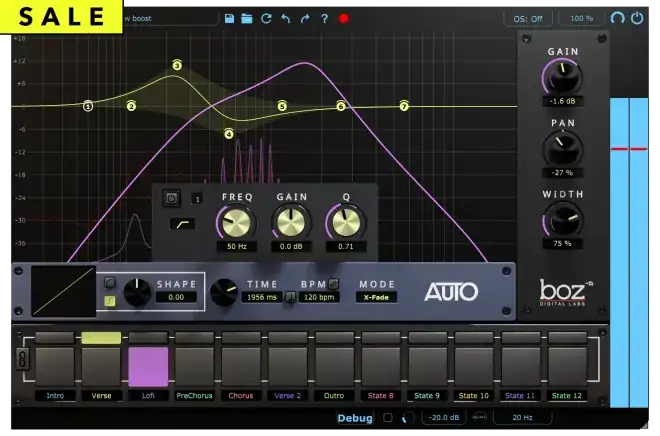
Automator Complex Automation Made Simple. Automator collapses dozens of automation lanes into one simple control. Reshape EQ, volume, width and pan with a single lane. Finally automate EQ without the lane nightmare. Automator simplifies complex automation by collapsing dozens of automation lanes into a single, automatable control so you can automate EQ, volume, width, and pan, all while using only a single automation lane. Use it to add variation and excitement across a song. Automate different sections to open the chorus with extra width, tighten a verse with subtle EQ shifts, or push a bridge with bold tonal changes.

In October 1952, Wireless World printed a two-knob tone control with the EQ network inside a valve amplifier’s feedback loop. The industry kept the shape and redrew everything else. R52 is the circuit itself: the SP61 pentode in the loop, the published component values, and the conditions Baxandall specified around it, source impedance and the amplifier at the far end, now under your fingers. R52 is a revival, not a revision. Peter Baxandall published the design in Wireless World in October 1952, and what began on those pages became one of the most influential circuits in audio. Yet, the industry adopted only its shape, redrawing the circuit to fit commercial realities rather than the conditions Peter specified.
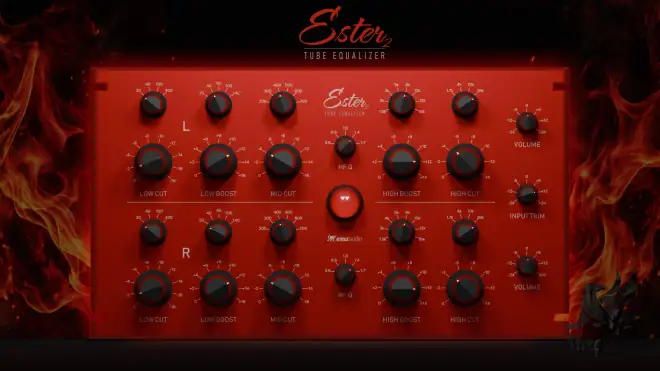
A passive equalizer of this kind carries a valve on the way in and another on the way out, with the passive network between them. ESTER 2 gathers what a valve does when you drive it — the density, the harmonics, the way the sound shifts under a push and takes a moment to come back — into one tube stage in front of the equalizer, like a preamp, in two voicings of its own. That placement is deliberate. With the valve after the EQ, every boost would also drive it harder, and you would be chasing the saturation each time you touched a band. In front, colour and tone become two separate decisions: set the drive once with INPUT TRIM, then equalize freely. The amount of saturation stays where you put it, the curves stay exactly where you set them, and the EQ gets to shape the harmonics too — HIGH CUT can smooth the edge a hard drive adds, LOW CUT can tidy the weight it builds. The lamp between the channel rows is the stage’s own meter, reading the harmonic product actually being generated. SAT takes the whole stage out without disturbing a setting.

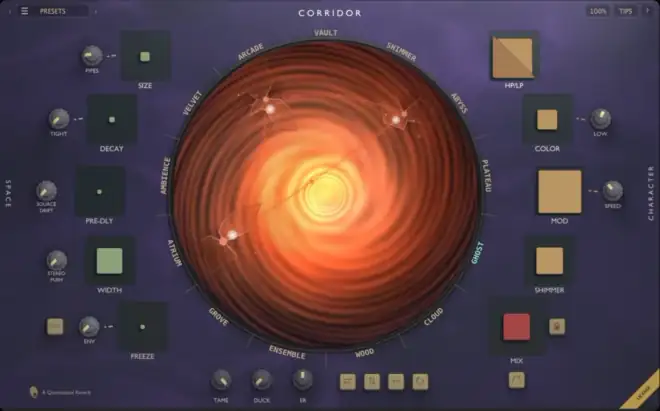
When I recorded Hurts Happiness, the studio I rented had a whole floor with big empty concrete corridors and empty rooms off them. I used to put a cheap portable recorder in different spots out there and sing vocal overdubs into the space, recording them wet. It sounded fantastic. I have wanted to build a plugin that does that ever since. So instead of one algorithm simulating one space, you are standing in the middle of several coupled rooms, and the sound bleeds between them through resonant corridors. That is where the name comes from.

Augmented PERSIA fuses the distinctive character of traditional Persian and Middle Eastern instruments with modern synthesis, giving composers, producers and sound explorers an immediate way to shape expressive, cinematic, and boundary-pushing soundscapes. A curated collection of deeply-sampled traditional instruments — Oud, Tar, Saz, Ney, Alto Kamancheh, and Shah Kaman — each bringing its own time-honoured feel and resonance. Explore over 200 mix-ready presets built for modern composition — from evocative, earthy drones and plucked organic textures to luminous sequences and abstract atmospheres.
Total Posts: ❨ 🎵➡3088 ❩ | Paged: ➡ 20